Sawdust Charcoal for Australia BBQ & Commercial Grilling | AKAC
Australia is renowned for its vibrant outdoor dining culture and rapidly growing hospitality sector. From bustling Korean BBQ restaurants in Sydney and Melbourne to high-volume steak houses and smokehouses in Brisbane, demand for high-performance, eco-friendly solid fuels has surged. Choosing the right sawdust charcoal for Australia BBQ and commercial grilling is critical for restaurant operators and B2B importers aiming to optimize operational costs while complying with strict biosecurity and environmental regulations.
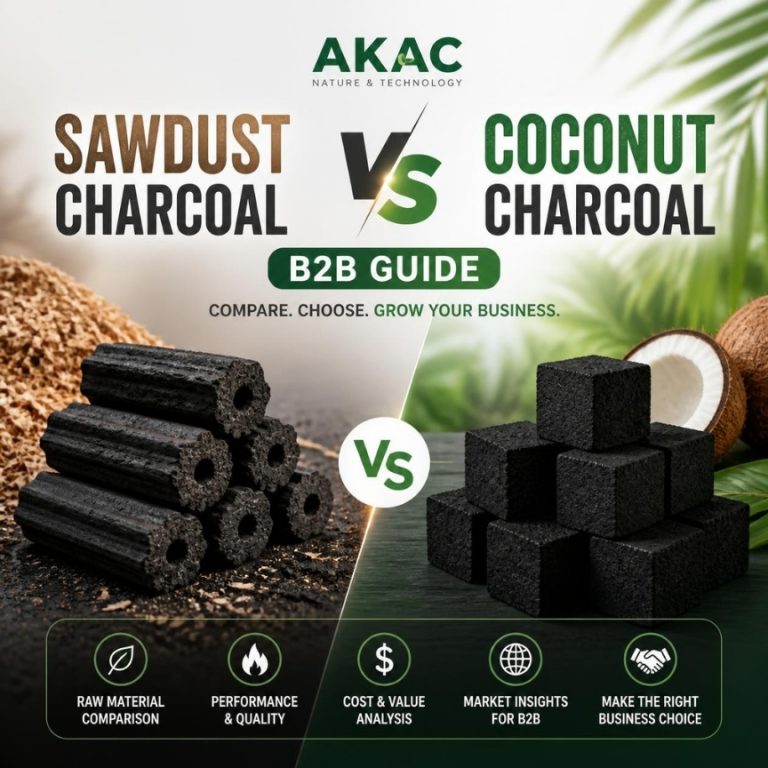
As a leading exporter of premium wood briquettes in Southeast Asia, AKAC Charcoal Vietnam manufactures and supplies export-grade sawdust briquette charcoal designed specifically to meet the rigorous heat and safety benchmarks required by Australian commercial kitchens.
1. The Australian Commercial BBQ & Grilling Landscape
The Australian foodservice market has experienced a major culinary shift toward authentic live-fire cooking. According to food industry research from Statista, authentic Asian BBQ concepts—particularly Korean BBQ, Japanese Yakitori, and Middle Eastern charcoal meat grills—alongside traditional Australian steakhouse smokehouses have expanded rapidly across major metropolitan areas.
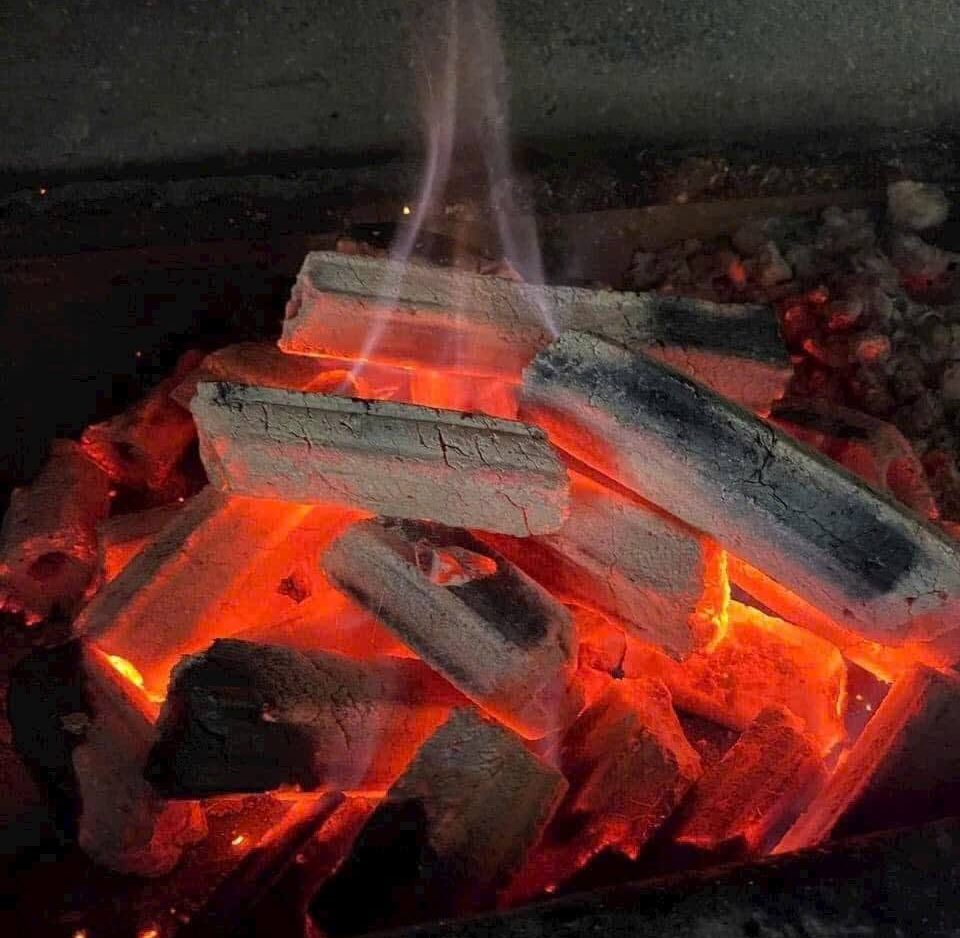
Unlike casual backyard grilling, commercial kitchens operate continuous 8 to 12-hour shifts. This high-duty environment demands a solid fuel that delivers three fundamental performance pillars:
- Consistent, High-Caloric Heat: Sustaining grid temperatures above 350°C (660°F) to sear premium Australian beef and lamb efficiently.
- Smokeless & Odorless Combustion: Preventing smoke buildup in indoor restaurant environments and ensuring local environmental compliance regulated by the Australian Department of Climate Change, Energy, the Environment and Water.
- Low Ash Residuals: Minimizing manual cleaning during service hours and keeping ash out of delicate commercial hood exhaust systems.
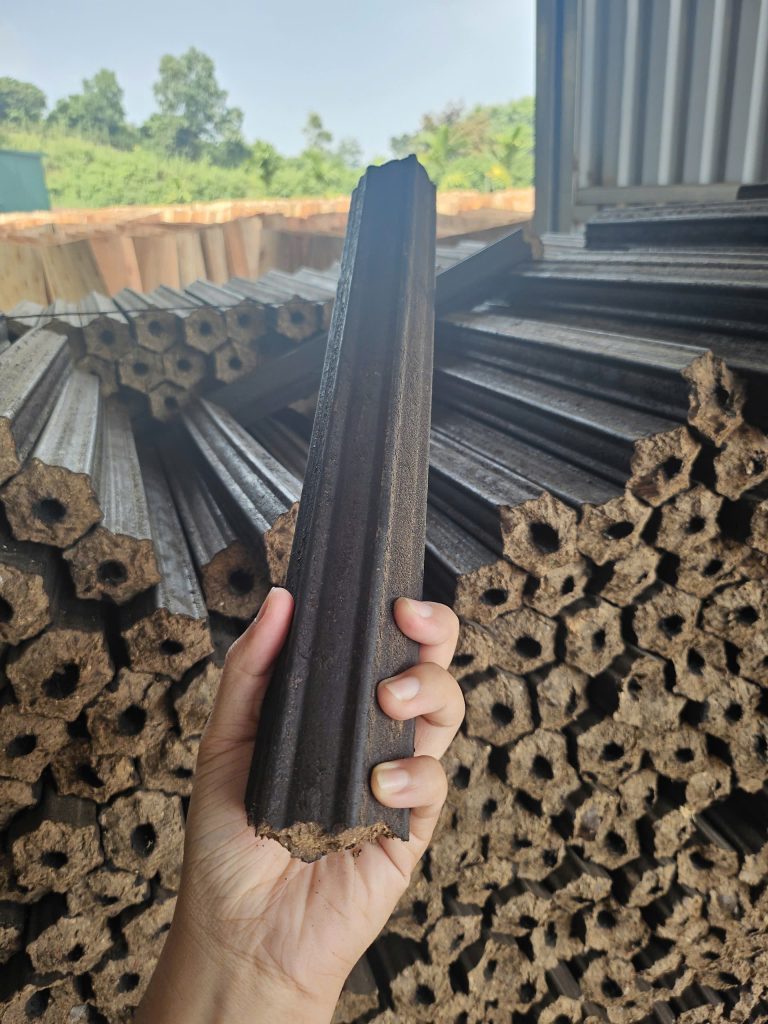
While traditional Australian hardwood lump charcoal remains popular for outdoor events, its rapid burn rate and irregular sizing make it costly and labor-intensive for high-volume commercial kitchens. Consequently, high-density sawdust briquettes have become the gold standard for Australian commercial foodservice operators.
2. Key Import Requirements & Regulatory Standards in Australia
Importing wood charcoal into Australia requires strict adherence to federal trade, biosecurity, and maritime logistics rules. B2B buyers and commercial distributors must evaluate suppliers against four primary criteria:
2.1 Biosecurity & Phytosanitary Compliance
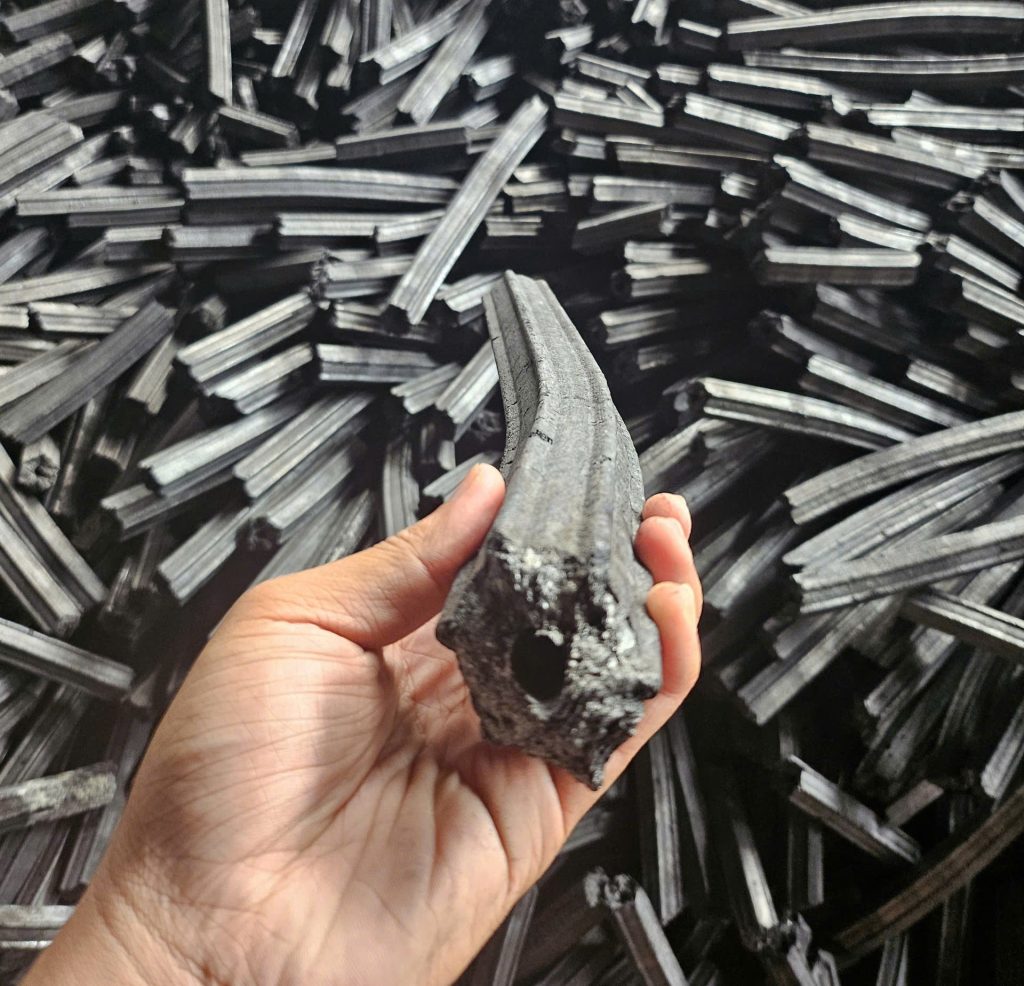
The Australian Department of Agriculture, Fisheries and Forestry (DAFF) enforces non-negotiable biosecurity regulations under the Australian Biosecurity Act. Exported sawdust briquettes must undergo extreme high-pressure extrusion and thermal carbonization (exceeding 700°C), ensuring zero raw timber pest risks and eliminating the need for hazardous chemical fumigation.
2.2 Self-Heating & Maritime Safety Certification
Because charcoal is classified under UN 1361 (Carbon, animal or vegetable origin) for dangerous goods transport, ocean freight shipments to Australian ports—such as Sydney Port Botany managed by NSW Ports or the Port of Melbourne—must strictly follow regulations established by the International Maritime Organization (IMO). Every container shipment must be accompanied by a valid Material Safety Data Sheet (MSDS) and an official Self-Heating Test (SHT) Certificate compliant with the SGS Testing Group quality guidelines.
2.3 Customs & Tariff Classification
Distributors importing charcoal into Australia must declare goods under the Australian Border Force (ABF) trade portal using Harmonized System (HS) Code 4402.20.00 or 4402.90.00. Sourcing from Vietnam allows importers to leverage regional trade agreements for preferential duty processing.
2.4 Environmental & Forestry Standards
Australian consumers and hospitality chains increasingly favor sustainable procurement practices. Sourcing charcoal made from 100% natural, recycled natural sawdust—without chemical binders, nitrates, or heavy metals—ensures compliance with clean air standards and aligns with global sustainability guidelines supported by the Forest Stewardship Council (FSC).
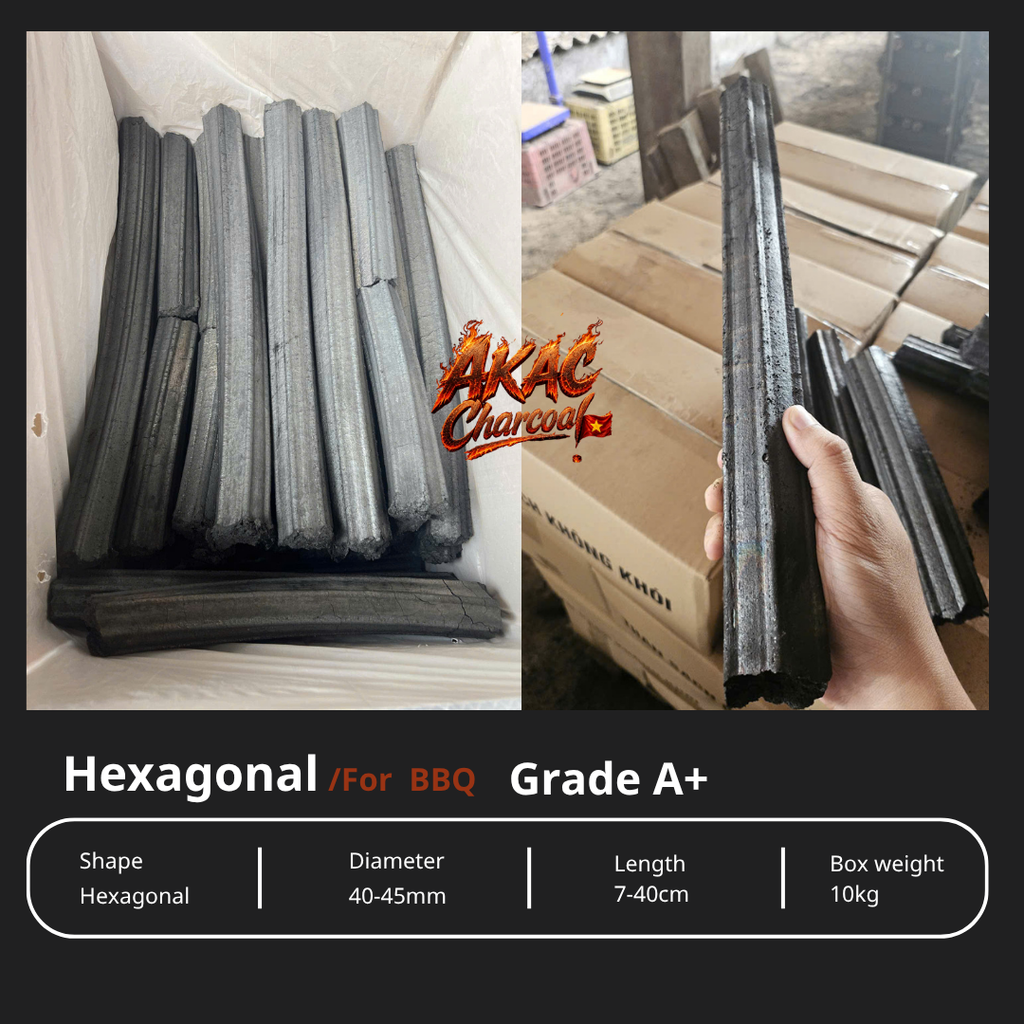
3. Why Sawdust Charcoal Outperforms Alternative Fuels for Australia BBQ
Comparing fuel performance highlights why commercial kitchens across Australia are transitioning from lump wood charcoal and mineral briquettes to premium hexagonal sawdust briquettes:
| Technical Specification | AKAC Premium Sawdust Charcoal | Local Australian Lump Charcoal | Coconut Shell Shisha Charcoal |
|---|---|---|---|
| Burn Duration | 4.5 – 6.0 Hours | 1.5 – 2.5 Hours | 3.0 – 4.0 Hours |
| Fixed Carbon Content | > 82 – 85% | 65 – 75% | 75 – 80% |
| Caloric Value | 7,500 – 8,000 kcal/kg | 6,200 – 6,800 kcal/kg | 7,000 – 7,300 kcal/kg |
| Ash Content | < 3.0 – 3.5% (White Ash) | 6.0 – 10.0% (Dark Ash) | < 2.5% |
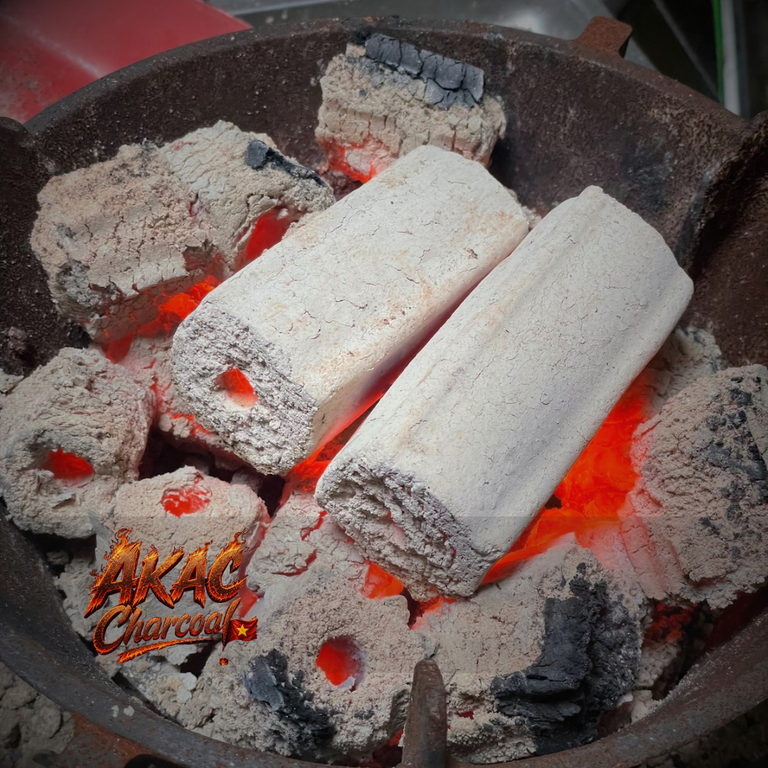
| Smoke & Sparking | 100% Smokeless / No Spark | Moderate Smoke / High Spark | Smokeless / Minimal Spark |
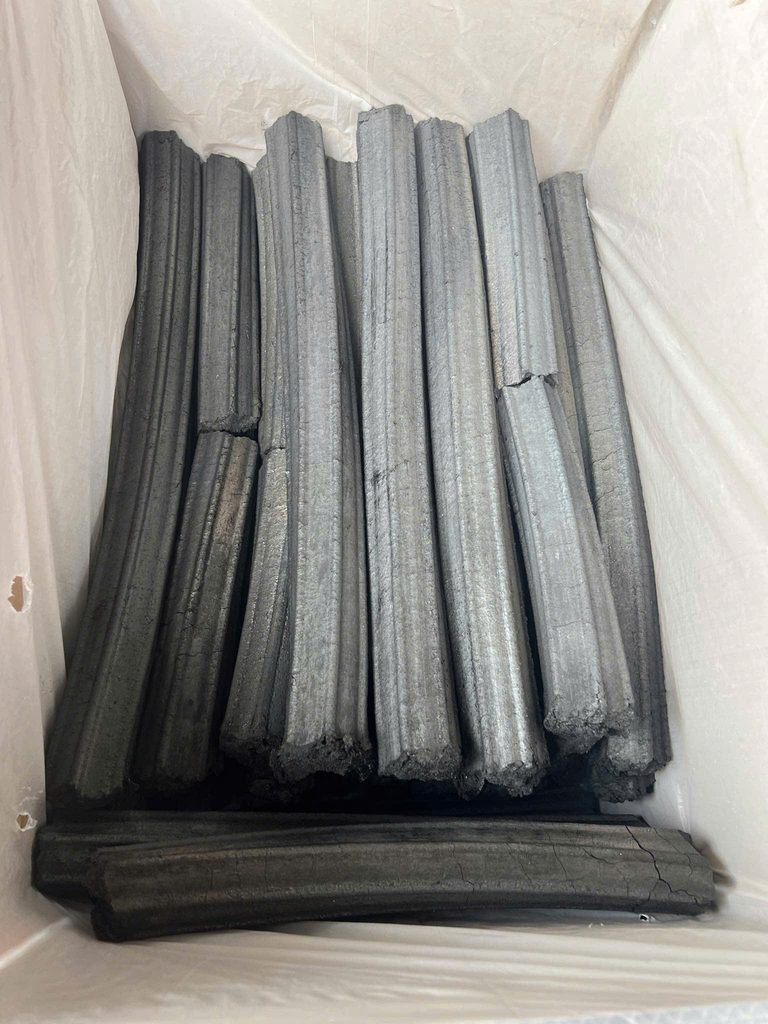
| Shape & Density | Uniform Hexagonal (High Density) | Irregular Natural Chunks | Cube or Pillow Shapes |
3.1 Lower Fuel Consumption & Labor Costs
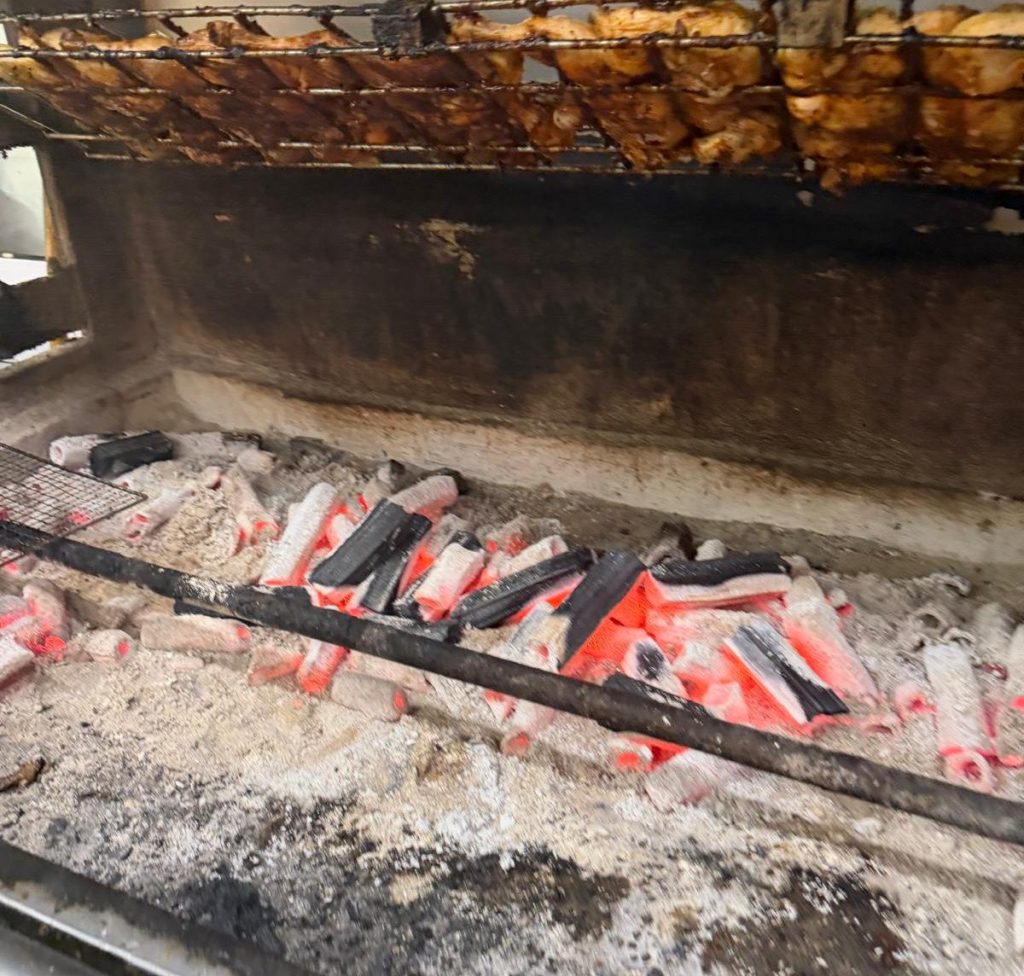
Because AKAC sawdust briquettes burn up to three times longer than standard lump charcoal, Australian restaurant kitchens reduce total fuel consumption by 30% to 40% per shift. Staff spend significantly less time restocking embers during peak lunch and dinner hours, resulting in direct operational savings.
3.2 Superior Searing Without Flavor Contamination
Commercial grilling demands intense, radiant heat that locks in meat juices instantly. AKAC’s pure wood carbonization creates clean, odorless heat that highlights the natural flavors of high-grade Australian wagyu beef and fresh seafood without bitter resinous aftertastes.
To understand the full price breakdown and container logistics for bulk shipments, review our comprehensive guide on Sawdust Charcoal Wholesale Price Benchmarks.
4. AKAC Charcoal Distribution Network & Local Presence in Australia
A major bottleneck for Australian B2B buyers importing Asian charcoal has historically been long shipping lead times and high minimum order risks. AKAC Charcoal Vietnam solves this supply chain challenge by offering robust factory-direct exports alongside an established Australian distribution hub.

4.1 Established Warehousing & Local Supply Points
To support Australian wholesalers, commercial restaurant chains, and regional food suppliers, AKAC has established strategic distribution partner points in key logistics hubs, including Sydney (New South Wales) and Melbourne (Victoria). This local presence delivers clear commercial advantages:
- Immediate Pallet-Level Dispatch: Australian buyers can order smaller, flexible quantities (LCL or pallet loads) directly from local warehouse stock without waiting 3–4 weeks for ocean freight.
- Zero Import Risk & Pre-Cleared Customs: Stock in Australia is fully cleared through DAFF biosecurity and customs inspection, eliminating quarantine delays or unexpected port demurrage fees.
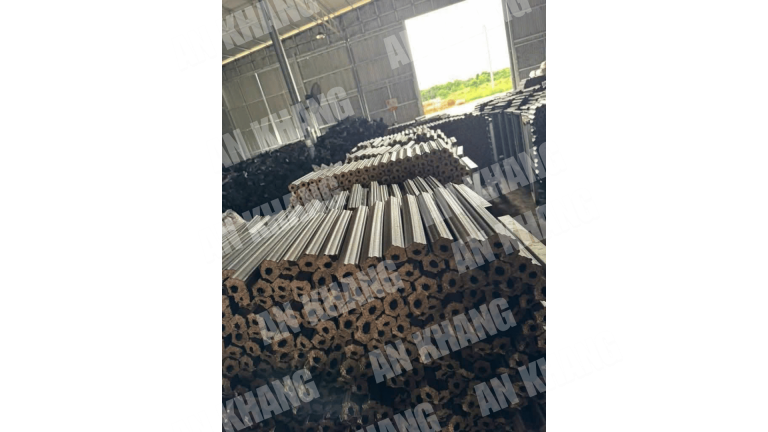
- Factory-Direct Full Container Load (FCL) Pricing: Large-scale importers and distributors can order full 40ft High Cube containers (approx. 26–27 Metric Tons) shipped directly from our manufacturing facilities in Vietnam to any Australian port at competitive FOB/CIF terms.
4.2 Custom Packaging & Private Labeling (OEM)
For Australian distributors seeking to build their own regional brand, AKAC provides complete Private Label OEM packaging solutions. Options include heavy-duty 10kg or 12kg 5-ply corrugated master cartons printed with custom branding, barcode labels, and internal PE plastic moisture liners designed for marine transport durability.
5. Frequently Asked Questions (Australia B2B Charcoal Sourcing)
Can Australian restaurants order small test quantities before committing to a full container?
Yes. Thanks to our established local distribution network in Australia, commercial buyers can order sample cartons or pallet quantities directly from our Sydney or Melbourne supply hubs for trial testing before placing full container load (FCL) factory orders.
What is the typical shipping transit time from Vietnam to major Australian ports?
Direct ocean shipments from Haiphong Port or Cat Lai Port (Vietnam) to major eastern Australian ports (Sydney Port Botany, Melbourne, Brisbane) average between 14 to 20 days transit time, making Vietnam one of the most reliable sea-freight origins for the Australian market.
Are AKAC sawdust briquettes certified safe for indoor restaurant use?
Yes. AKAC sawdust briquettes are produced from 100% natural, chemical-free hardwood sawdust. They burn smokeless, odorless, and spark-free, meeting Australian indoor commercial kitchen ventilation safety guidelines when operated under standard hood exhaust systems.
Partner with AKAC Charcoal for Your Australian Supply Chain
Whether you operate a commercial BBQ restaurant chain in Sydney, distribute food service supplies in Victoria, or seek a reliable factory-direct manufacturing partner for Australian import distribution, AKAC Charcoal Vietnam provides high-grade products, full regulatory compliance, and unmatched local supply support.
Contact our international sales team today to request current Australian landed pricing, technical specification sheets, or local sample delivery.